Mekong
Vietnam & Cambodia
The Mekong is one of the great rivers of Southeast Asia, flowing nearly 3,000 miles from the Tibetan Plateau through China, Myanmar, Laos, Thailand, Cambodia, and Vietnam before emptying into the South China Sea. River cruises typically sail the lower stretch between Vietnam and Cambodia, linking Ho Chi Minh City and Phnom Penh with the temples of Angkor near Siem Reap, and offering a close-up look at floating markets, stilt villages, and daily life along the Mekong Delta.
Ships here are smaller and more casual than Europe's river cruisers, generally under 100 passengers, reflecting both the Mekong's shallower channels and its more adventurous, less formal style of cruising. The dry season, from November through April, is the most popular and most reliable time to sail, since water levels can drop enough during the driest months to limit itineraries; the wet season brings its own rewards, with fuller channels and a greener Delta, at the cost of afternoon rain.
Ports of Call
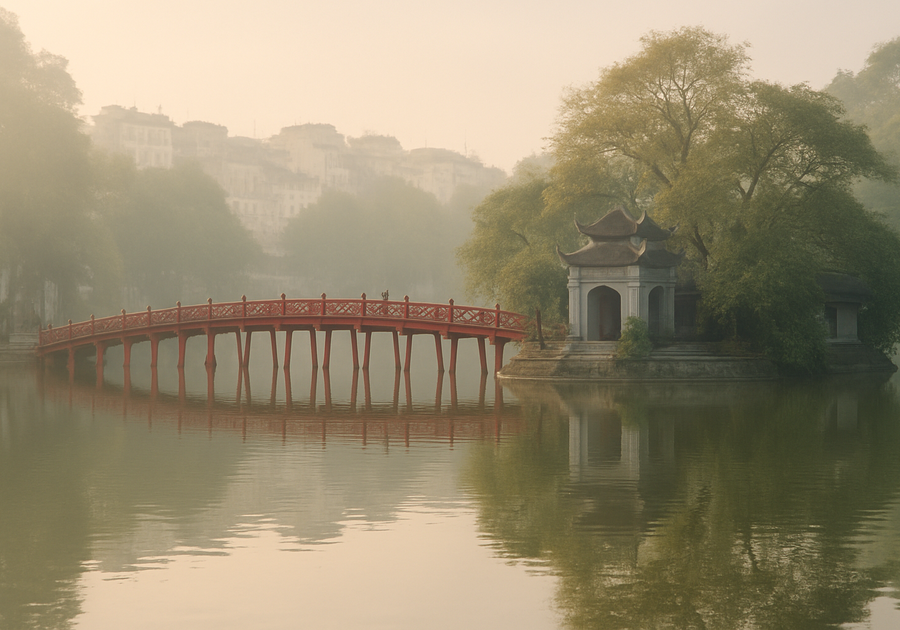
Hanoi, Vietnam
This refined city is Vietnam's capital and cultural heart. Here you can explore the city's Old Quarter, where many of the streets are dedicated to a sole type of goods, from handcrafted home décor on one, to fine silks on the next. A must-see is the Ho Chi Minh mausoleum, Hanoi's most-visited site, along with the modest home nearby, where the leader lived in beautiful simplicity. The lovely Hoan Kiem (Restored Sword) Lake is a hub of the city, hosting a kaleidoscope of activity every day.
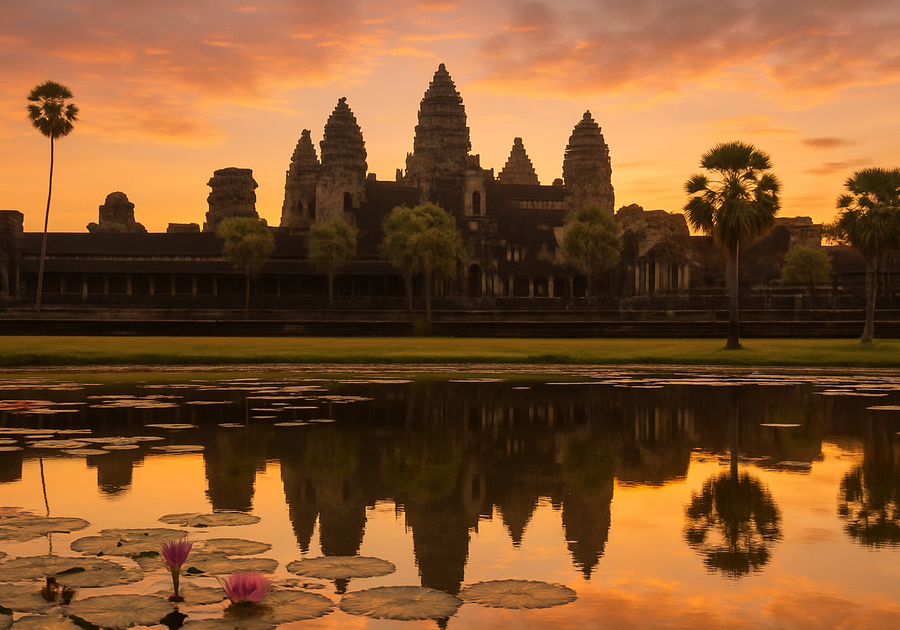
Siem Reap, Cambodia
Though the focus here is the UNESCO World Heritage site of Angkor, with Siem Reap serving as its gateway, the city offers other attractions, too. Start with the famous Angkor Wat, constructed in the 12th century for King Suryavarman II. In the fortified city of Angkor Thom, you will see the Terrace of the Elephants and the Terrace of the Leper King, also featuring fantastic bas-relief carvings. Visit the giant, carved stone faces of Bayon Temple, and the temple Ta Promh, left as it was found, in ruins overgrown by trees and shrubs.
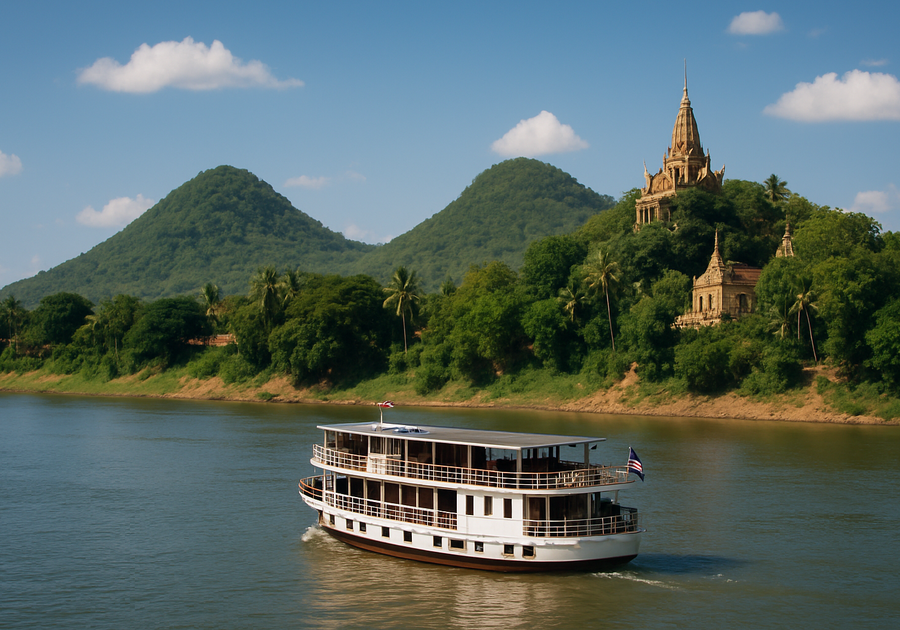
Kampong Cham, Cambodia
Home to the twin Holy Mountains, Phnom Pros and Phnom Srey, Kampong Cham is also rich in archaeological interest, with over 200 temples. Some of those sites even date to before the Khmer Empire, and many are still used during traditional festivals.
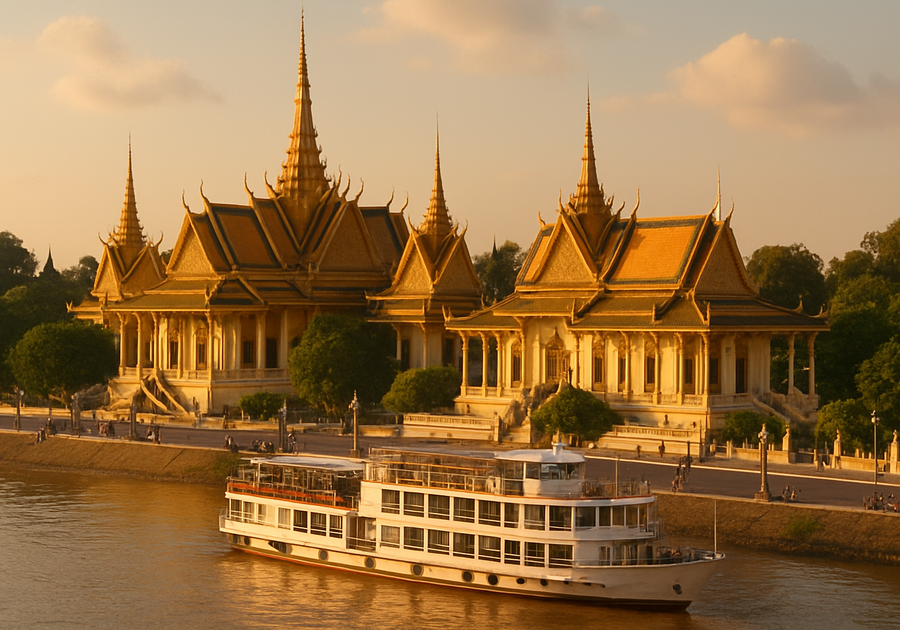
Phnom Penh, Cambodia
After arriving in Cambodia's capital, explore its shopping areas, with galleries, silk shops, and restaurants, and head to the Central Market or the Russian Market. Visit the Royal Palace, with its spectacular Silver Pagoda, and the National Museum of Cambodia, home to stunning Khmer art and artifacts. For a sobering taste of history, see the memorial to the victims of the Khmer Rouge, housed in the Tuol Sleng detention center, or the Killing Fields of Choeung Ek.
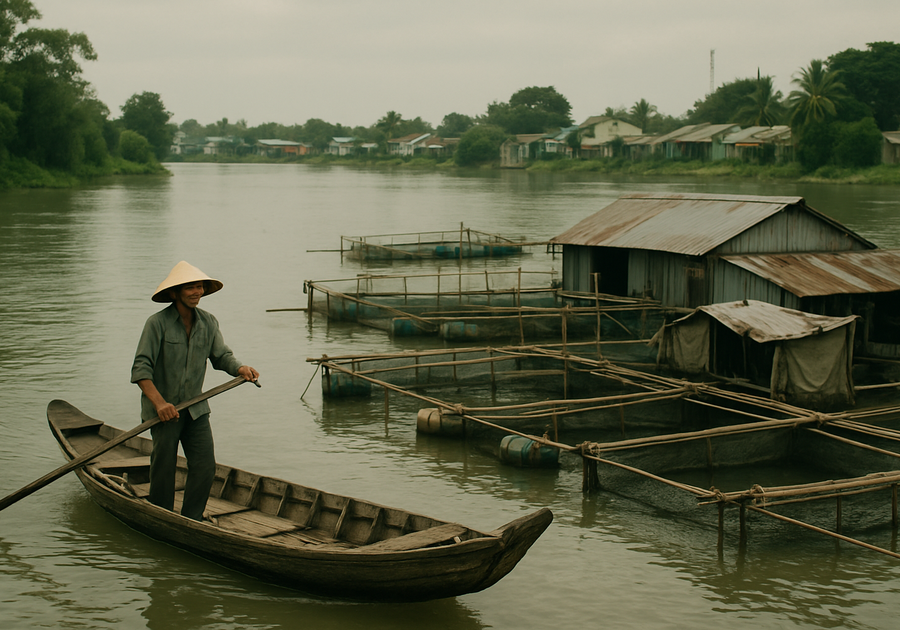
Tan Chau, Vietnam
Here you'll be able to observe the region's classic rural life, giving you a rare glimpse of life as it has been lived here for ages. Take a sampan to visit a floating fish farm, or ride a rickshaw to see the weaving of floor mats and slippers made from native grasses.
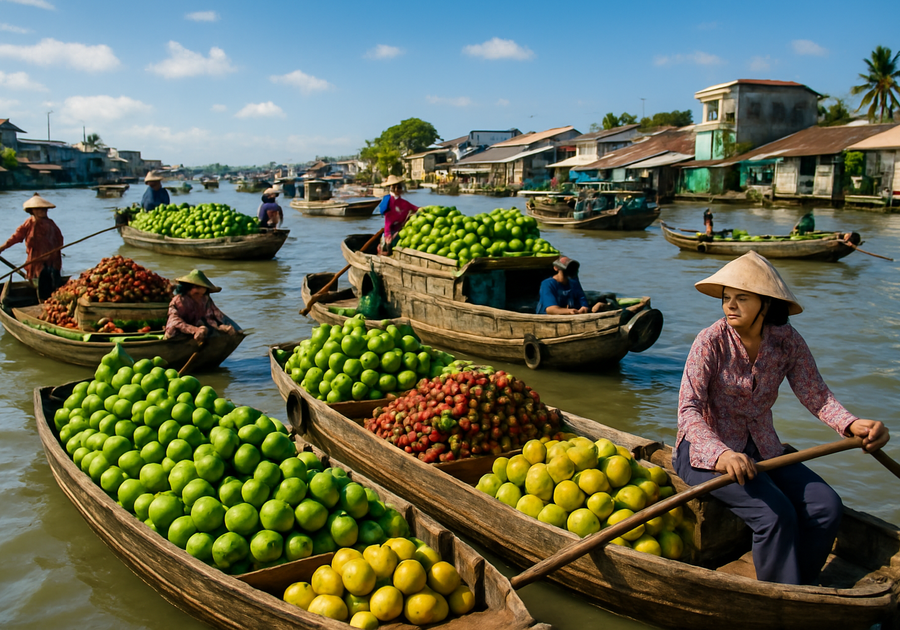
Sa Dec, Vietnam
Here in the Delta region, board a sampan to get a peek at local industry as you float past small factories producing necessities such as bricks and other building materials. See, and shop, the vibrant floating market of Cai Be, where locals are making and selling everything from rice noodles to souvenirs.
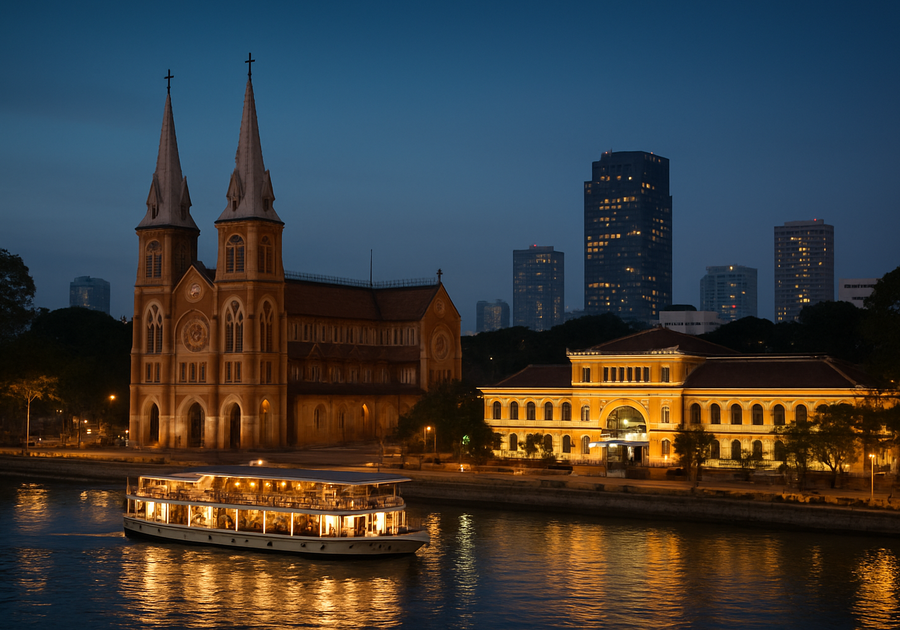
Ho Chi Minh City, Vietnam
Vietnam's largest city and commercial hub, Ho Chi Minh City (formerly Saigon) blends French colonial landmarks like Notre-Dame Cathedral and the Central Post Office with bustling markets, street food, and sites tied to the Vietnam War, including the War Remnants Museum and the Cu Chi Tunnels nearby.