Galapagos Islands
Ecuador
A Galapagos cruise has more in common with an African safari than a European river cruise — the draw is entirely the wildlife, and the itinerary is built around a rotating list of islands, each with its own protected landing sites and its own specialty animals, prescribed by Galapagos National Park to limit human impact and keep visitor numbers on each island low.
Ships here are small by necessity, typically carrying 16 to 100 passengers, since larger vessels can't get close enough to the shallow landing sites, and days are structured around two guided excursions — a hike, a snorkel, a dinghy ride along a mangrove coast — led by certified naturalist guides rather than shore-tour operators. Because the islands sit on the equator, there's no bad season to visit, though water temperatures and the marine life that comes with them shift noticeably between the warmer, calmer months from December to May and the cooler, choppier garua season from June to November.
Ports of Call
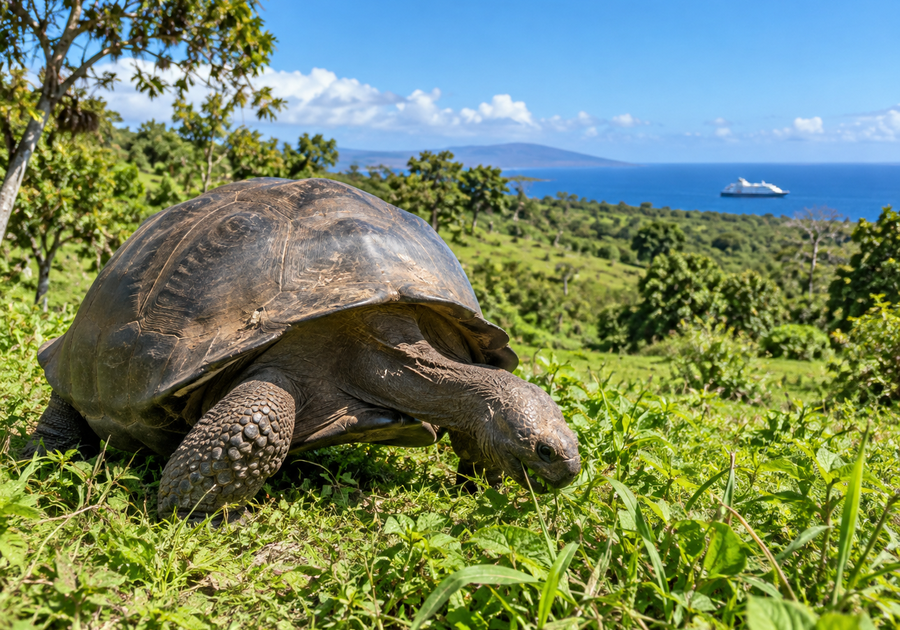
Santa Cruz
This is the hub of Galapagos tourism and the only site cruise ships are permitted to visit twice in a sailing. Santa Cruz is also the only place you can visit the interior highlands, where you have a chance of spotting giant tortoises in their natural habitat. This island is home to the Charles Darwin Research Center, which is a stop on every cruise itinerary.
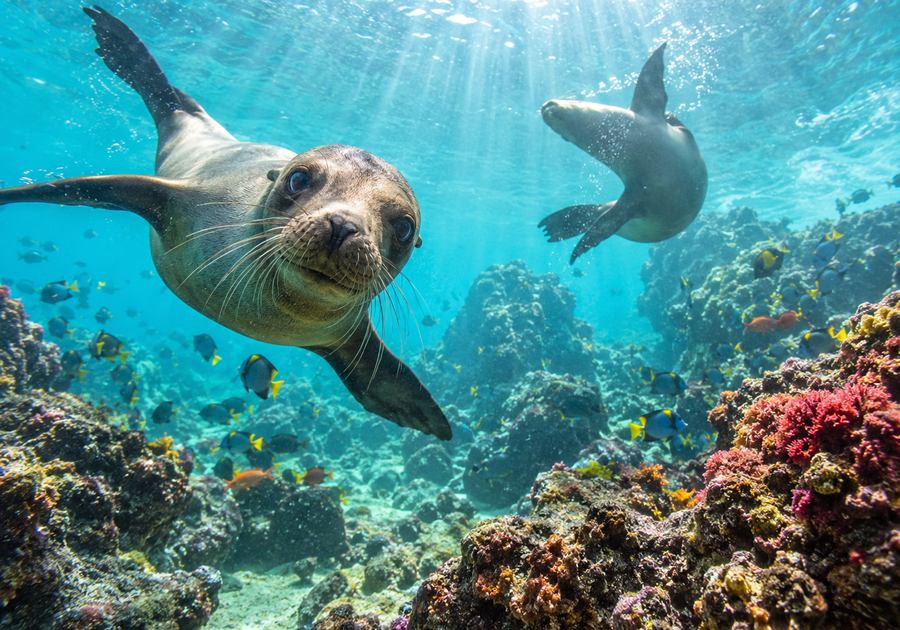
Champion Islet
Visit during September and October, when water temperatures fall, and you'll be treated to a virtual aquarium, teeming with activity. As sea plants "blossom", marine creatures thrive, and the sea birds join the party. Get in the water and you will find yourself surrounded by life, often even being buzzed by curious sea lions.
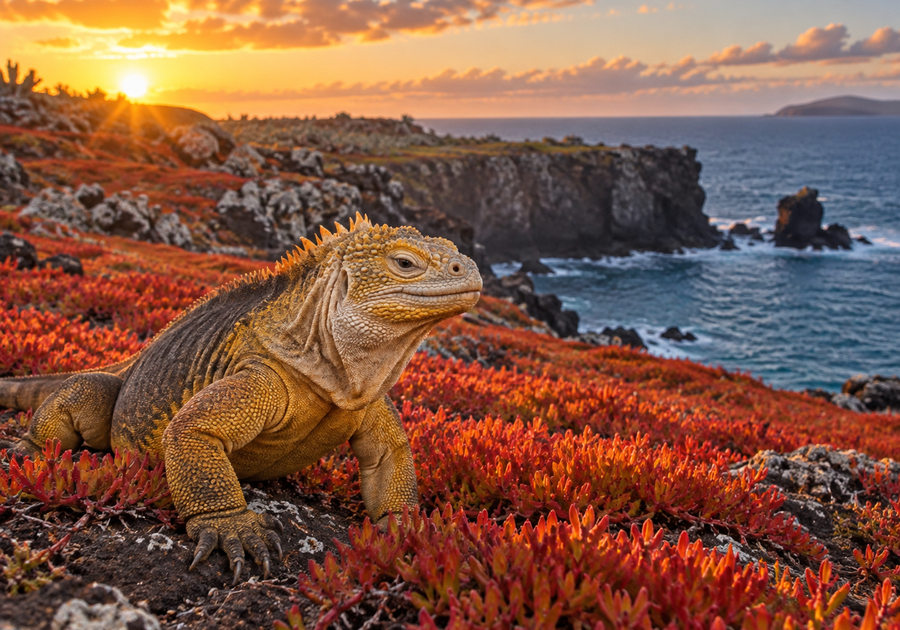
South Plaza
Though tiny (less than one-tenth of a mile in area), this volcanic island is disproportionately striking. Covered in color-changing vegetation, South Plaza is home to sea birds, but its most notable population is a colony of Galapagos land iguanas.
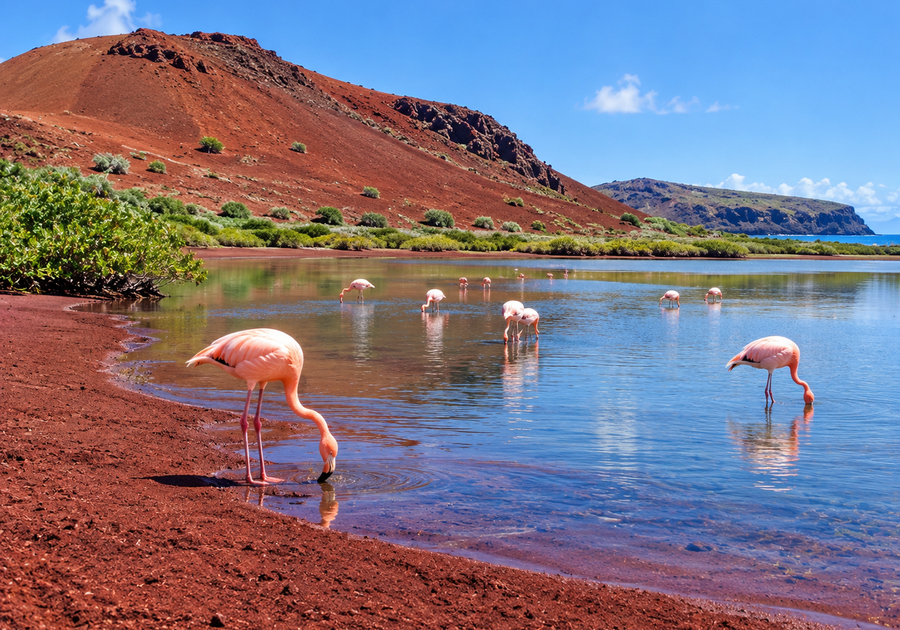
Rábida
With an iron-red beach to greet you, here you'll find an interior lagoon, often filled with flamingoes. Heads deep in the water, they are sucking up the crustaceans that create their signature pink plumage color.
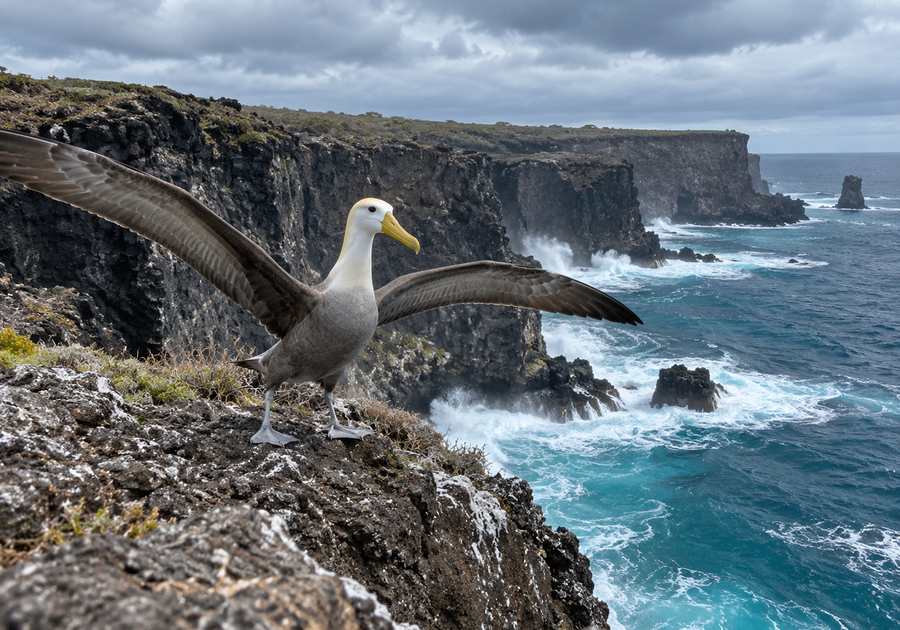
Española
The most southern island in the Galapagos, Española is home to the Waved Albatross. It is said that nearly all the world's population of this child-sized bird with an eight-foot wingspan returns to the island during its nesting season, April through December.
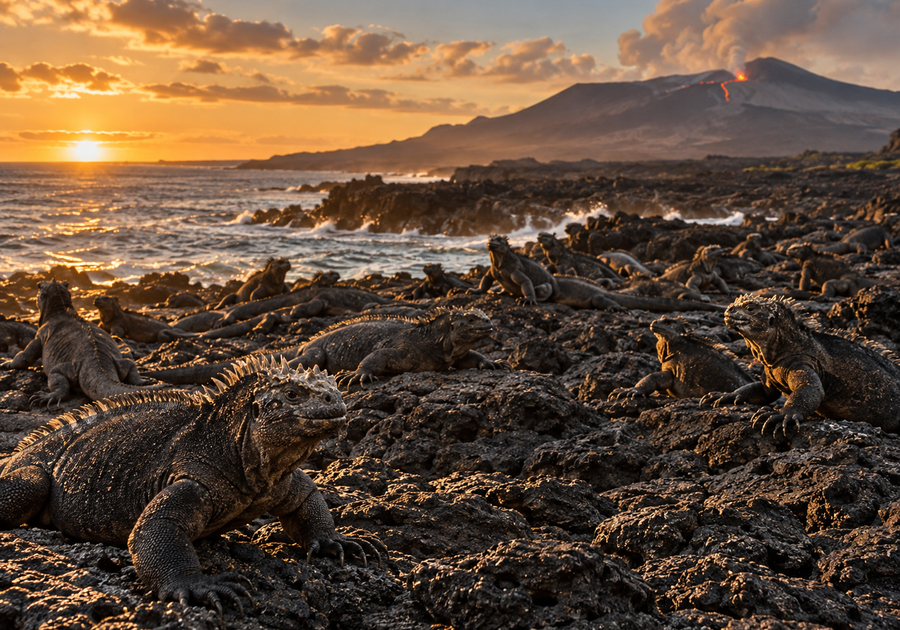
Fernandina
This youngest island in the chain is also its westernmost and remains volcanically active, though it has not erupted since 2009. A geological wonderland, you will navigate lava flows as you tramp the island, home to a huge colony of land iguanas.