Elbe
Germany & Czech Republic
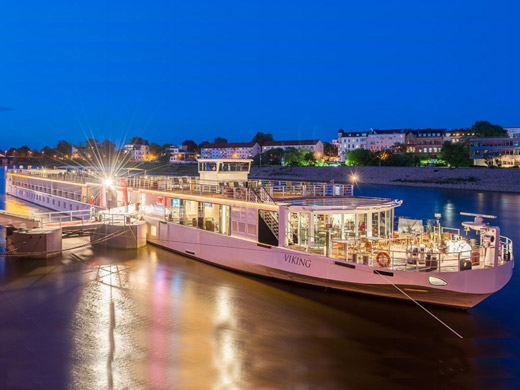
The Elbe River flows from the Czech Republic to the North Sea coast of Germany. It offers a wide range of landscape and varied scenery along the way. Through highlands, vineyards, marshy woodlands, and sandstone sierras, it provides dramatic and ever-changing views. Many great and historic cities have sprung up along its shores. These include the baroque-styled Dresden, Germany and Wittenberg, Germany where Dr Martin Luther started the Protestant Reformation. Hamburg is considered the most important sea and river port, while Meissen is most known for its porcelain. A cruise on the Elbe River also includes a stop at Prague, the capital of the Czech Republic, and to Berlin, Germany's cosmopolitan capital. Multiple Elbe River cruise itineraries are available, although most are between Berlin and Prague.
Because most itineraries sail between Berlin and Prague, an Elbe cruise effectively combines two rivers and two countries, following the Elbe through Saxony before switching to the Vltava for the final approach into Prague (or vice versa). It's a good fit for travelers who want Western Europe's classic castles-and-cathedrals cruising with a bit more variety — and considerably fewer other cruise ships — than the Rhine or Danube offer at peak season.
Ports of Call
Hamburg, Germany
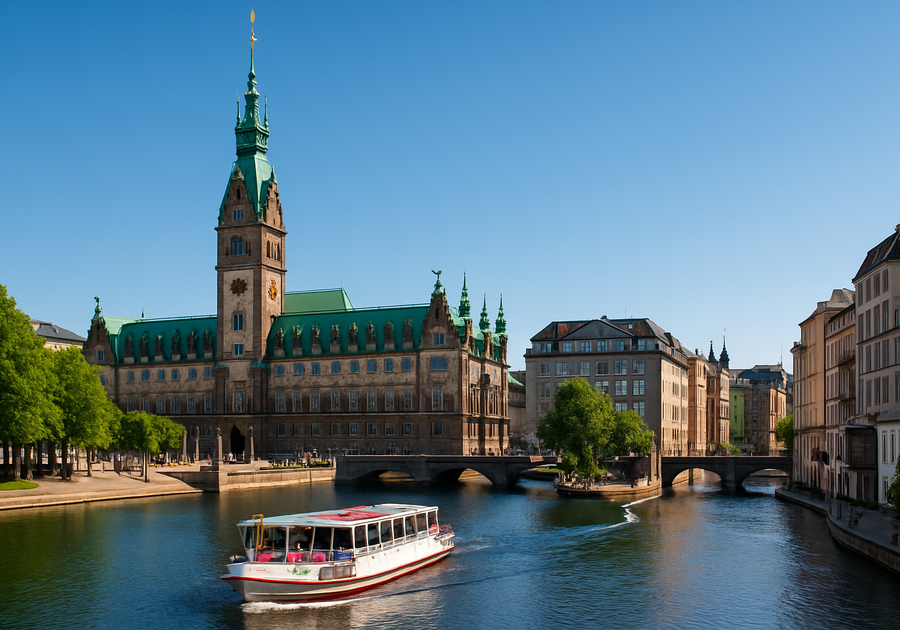
Despite the famed Reeperbahn red-light district, Hamburg is actually a very dignified and chic city, and is Germany's main seaport. The River Alster and many canals wind their way throughout the city. Hamburg is made up of lively cafes, boutique shopping, and a busy marketplace called Fischmarkt. Museums are also prevalent. Most notably the Kunsthalle, which displays one of Germany's finest art collections. Its exhibits date from the 13th to the 20th centuries. Rathaus, the town hall, is also an interesting sight to see. Built in 1887 in the neo-Renaissance style, it sits in an inland lake called the Binnenalster.
Berlin, Germany
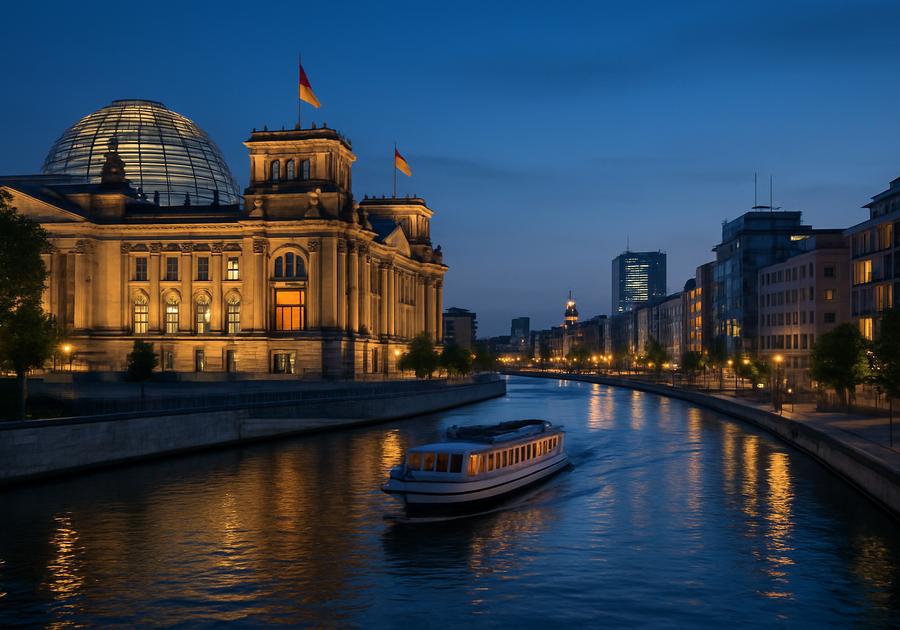
Berlin is Germany's capital. This booming metropolis actually sits on the River Havel, which passes through an interwoven system of locks and lakes. Because of this, cruisers usually dock in the port city of Potsdam and are brought by bus to Berlin's city centre. Many cruise itineraries allow for a couple of days spent in Berlin. Contemporary architecture, trendy shops, famed nightlife, and extravagant monuments and boulevards are what make up this intriguing capital.
Tangermünde, Germany
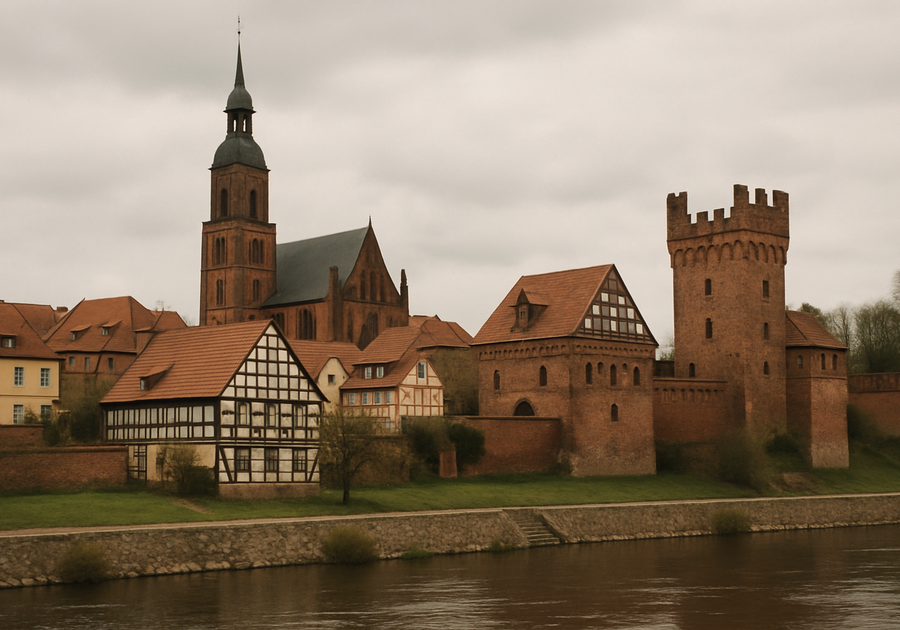
This city of Germany used to be a defensive confederation of merchant guilds and market towns, known as the Hanseatic League. There still remains Gothic brick buildings and half-timbered homes that reveal what Tangermünde once was.
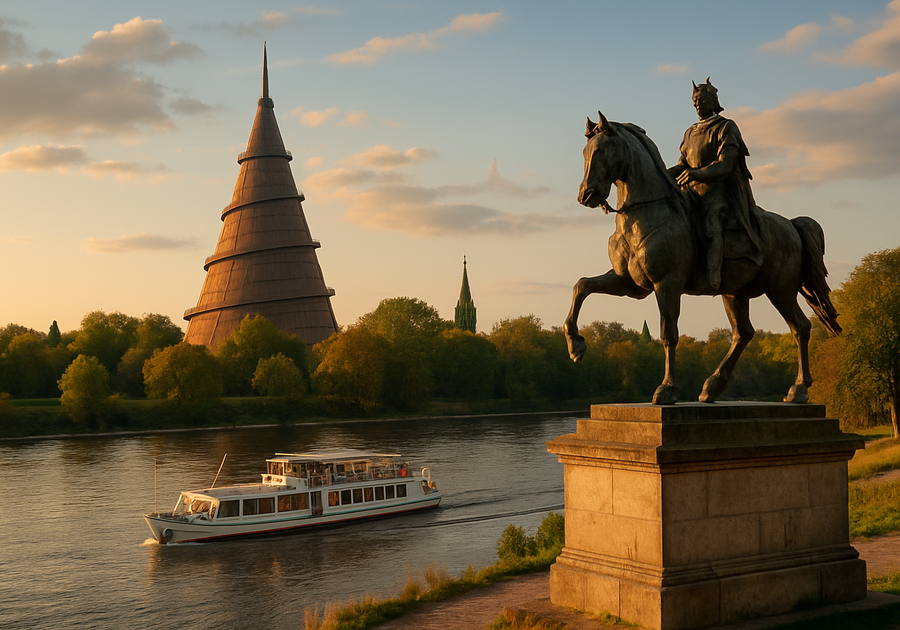
Magdeburg, Germany
Positioned about halfway on the Elbe River sits the town of Magdeburg. It's located at an intersection of six railroad tracks and seven busy through roads. It is connected to Berlin via a system of canals. The Millennium Tower, the world's third-tallest wooden structure at 60m high, was built in this town to be used as an exhibition centre. Another interesting sight is Germany's oldest equestrian statue, the Magdeburg Rider.
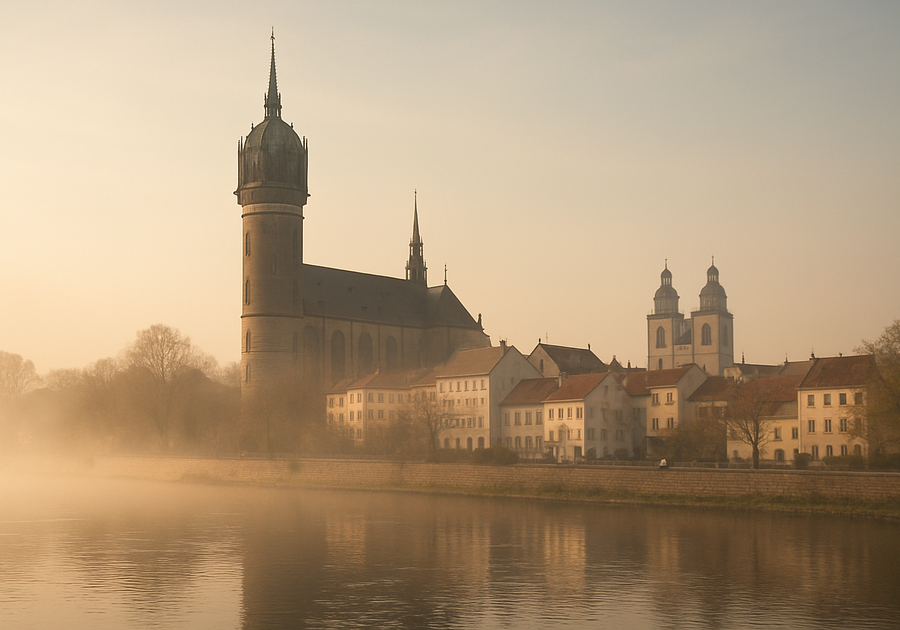
Wittenberg, Germany
This quiet peaceful town occasionally sees crowds of tourists who come to visit the location of where the Protestant Reformation started. Historians believe that this Reformation began with an act made by an Augustine monk named Dr Martin Luther. On October 31, 1517 he nailed 95 theses to the Palace Church's door, and 3 years later was excommunicated by the Pope. Visitors can visit his house as well as Luther Hall, a museum showcasing the Reformation.
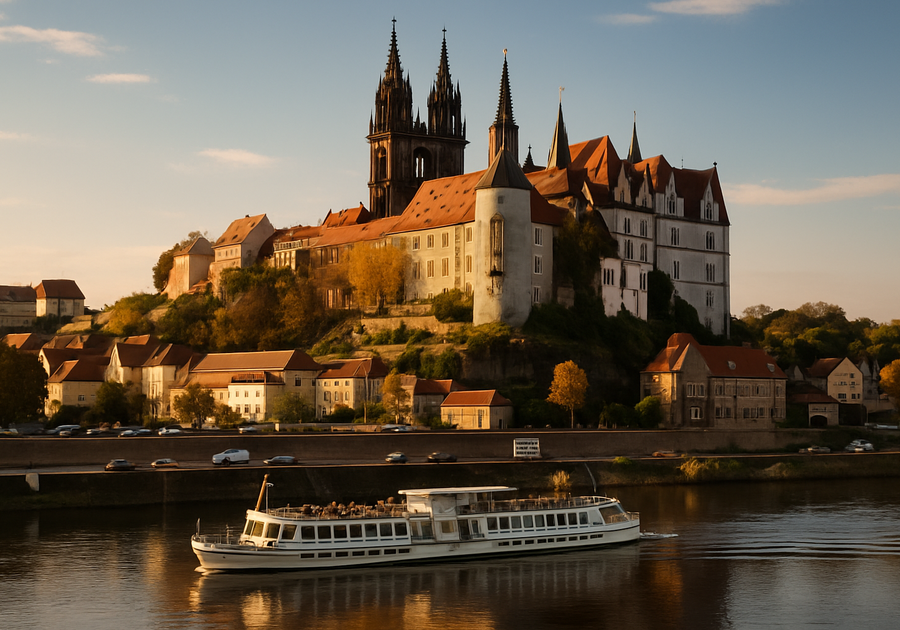
Meissen, Germany
Made famous for its production of porcelain, this old town is home to the Albrechtsburg Castle. In this castle is an art collection that includes early Meissen porcelain pieces. It was realized around 1709 that the large deposits of nacrite found nearby could be used to make a profitable white porcelain. The castle immediately became a factory for production and, in 1740, the famed blue-glaze technique was invented.
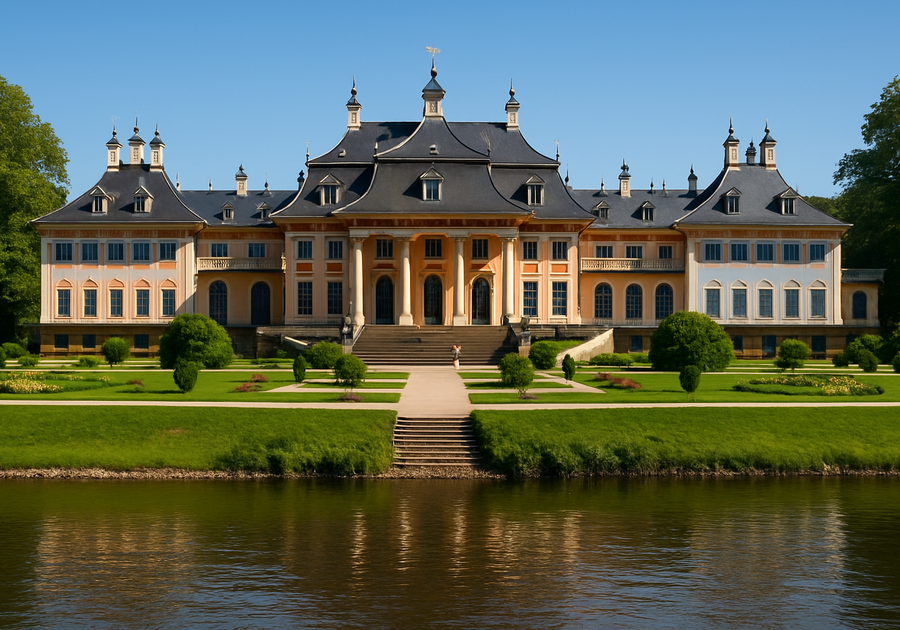
Pillnitz, Germany
The greatest highlight here in Pillnitz is the Pillnitz Palace. Inside is a remarkable collection of porcelain and fine jewelry. The palace was built to emulate the more well-known Versailles and Buckingham Palace.
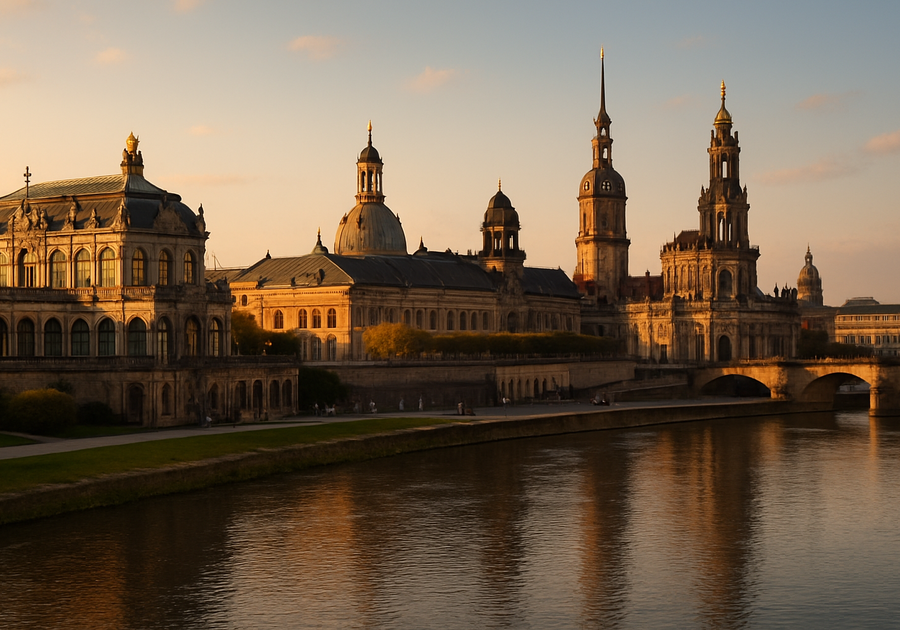
Dresden, Germany
This well-respected and distinguished city is world renowned for its exquisite art scene, so much so that it has been labeled the "Florence of the Elbe". Plenty of parks, water meadows, and greenery give the city an open-aired feeling. Much of this city center has been rebuilt after the 1945 bombing that destroyed it and cost 35,000 people their lives. Other notable sights are the Town Hall Tower and the Semper Opera House, and for an outstanding art collection of old skilled European painters, visit the 18th-century Zwinger Palace.
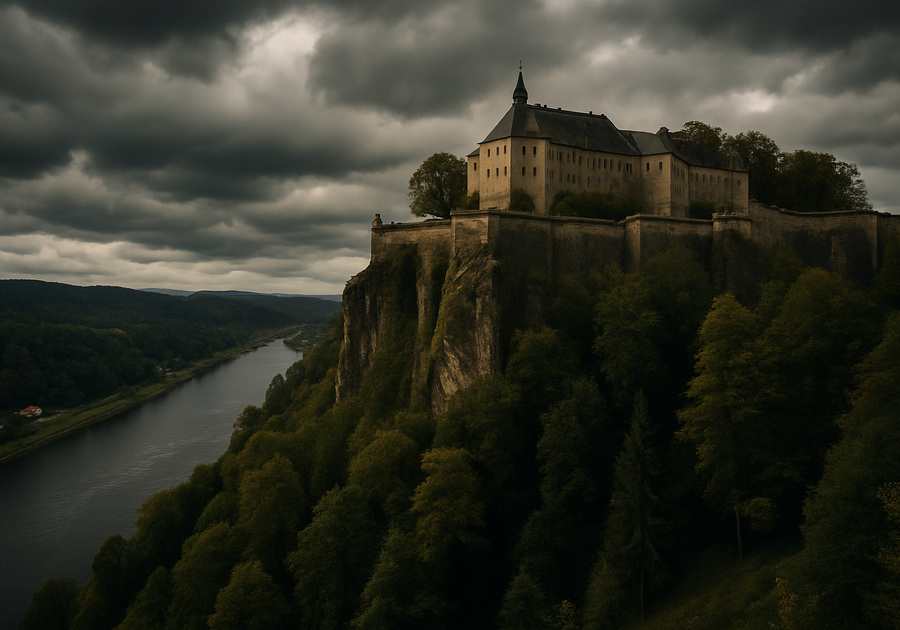
Königstein, Germany
Sitting 360m above the river, on a naturally made clifftop plateau, is the impressive Königstein Fortress of Gothic architecture. For centuries it was used as a state prison, and it is now a museum for military history. It has a 150m well dug into the ground in the center of the site, the second deepest well in Europe.
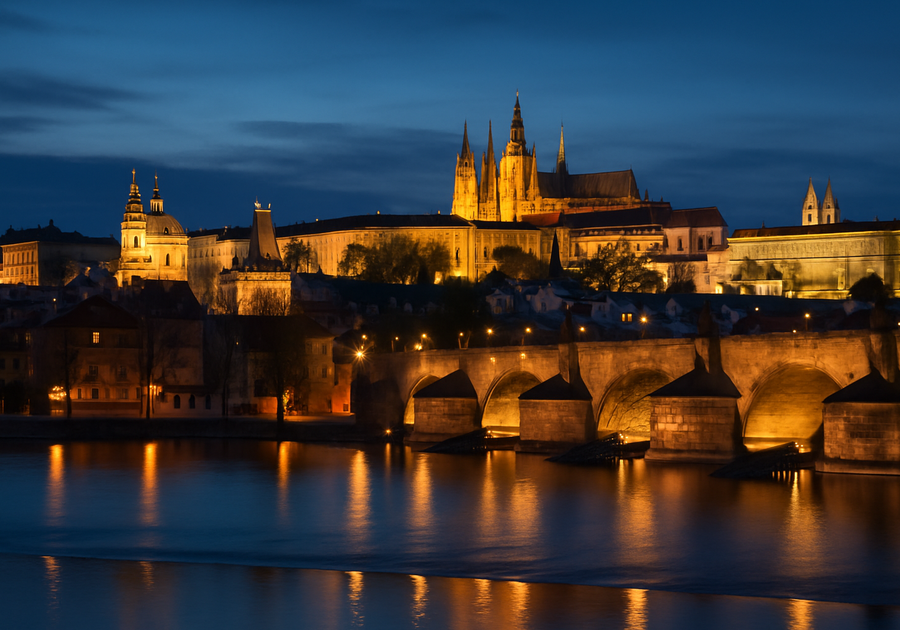
Prague, Czech Republic
Typically the start or finish of a river cruise down the Elbe, Prague offers a fabulous bar and nightlife scene alongside an intellectual and classical atmosphere. This university city had once inspired the composer Mozart as well as various writers, poets, and political activists. It is the capital city of the Czech Republic.
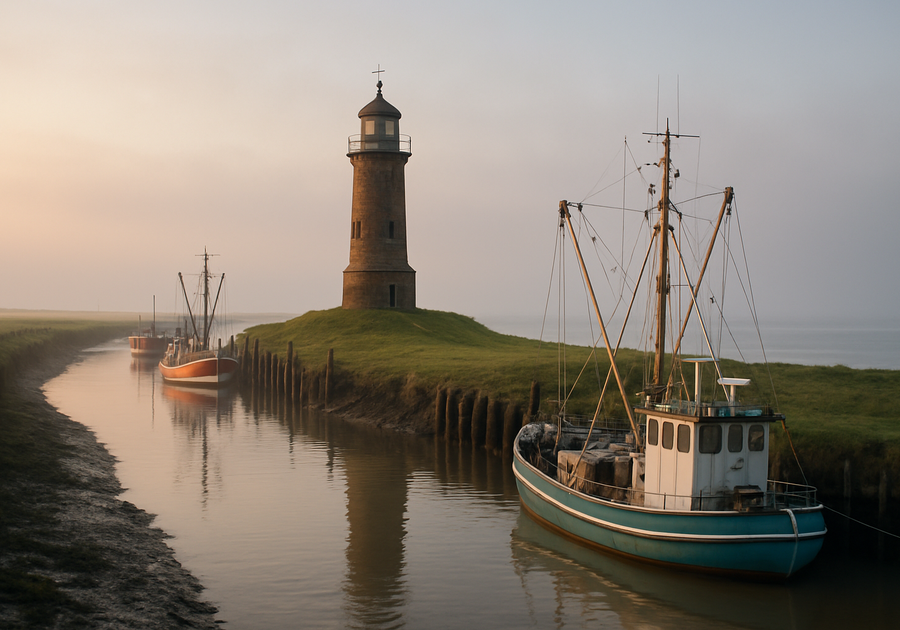
Cuxhaven, Germany
This seaside town on the North Coast is the hub of Germany's fish processing industry. It is also one of the largest fishing ports in all of the country. Germany's oldest lighthouse can be found here too, built in the 14th century on the tidal island of Neuwerk, which Cuxhaven is a gateway to.
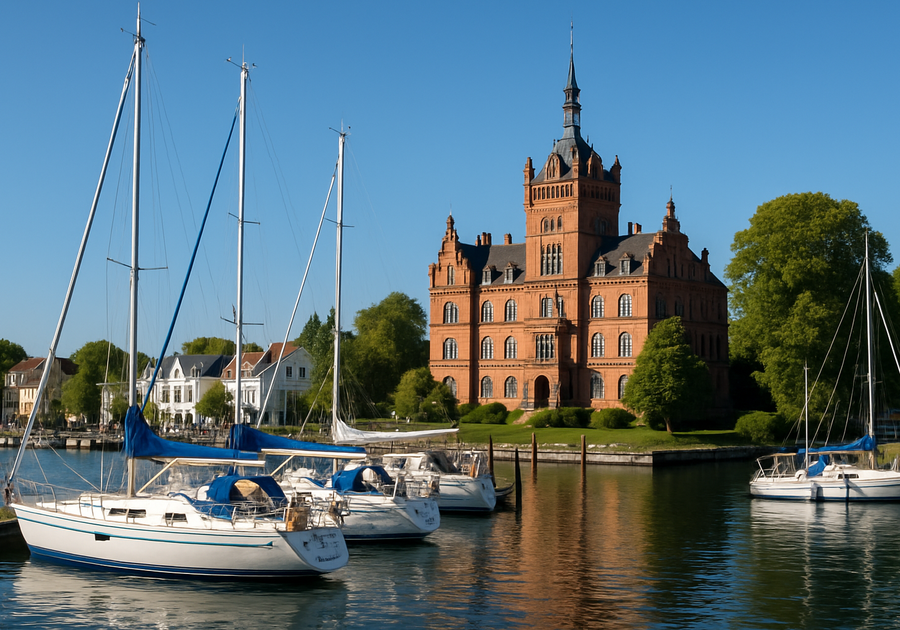
Lauterbach, Isle of Rügen, Germany
This is Germany's largest island at just over 357 square miles. It is separated from the mainland by a thin channel and a long bridge connects the two together. The island is home to Lutbus, a chic city that once held a beautiful castle and royal palace.
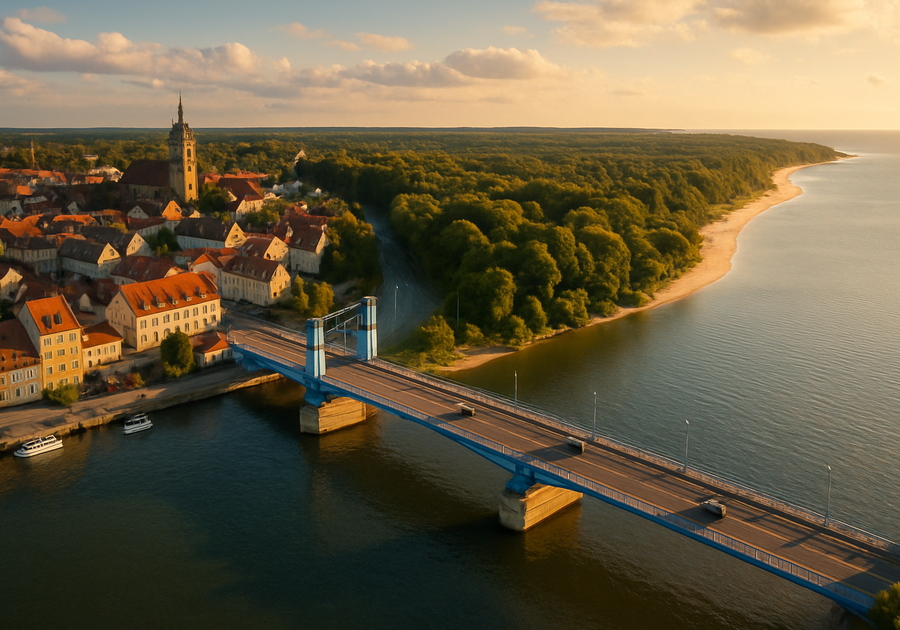
Wolgast, Isle of Usedom, Germany
Germany's second largest island is connected to the mainland via road bridge, where Wolgast lies. Leafy forests of the national park and white sandy beaches make up the Isle of Usedom and attract plenty of tourists.
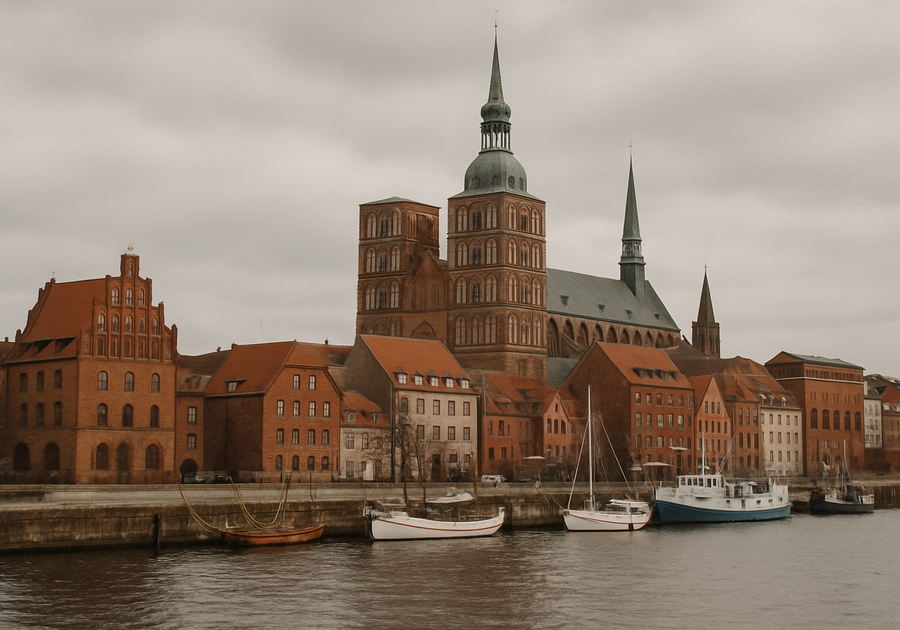
Stralsund, Germany
Founded in 1209, this city on the Baltic Sea Coast is highly important to maritime navigation. It houses stunning architecture and many Gothic red brick homes and stores.
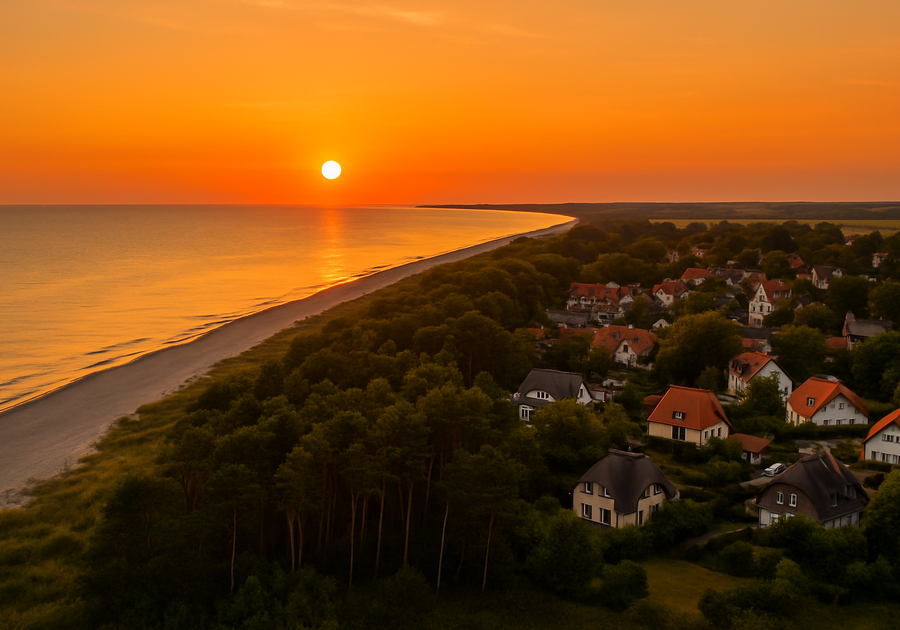
Zingst, Germany
Encompassing forests and sandy beaches on its outskirts, the village of Zingst is found on a small peninsula and looks to be unaffected by time. The Vorpommersche Boddenlandschaft national park makes up most of the peninsula.