Douro
Portugal
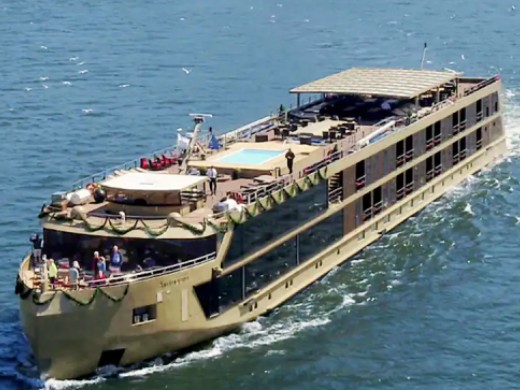
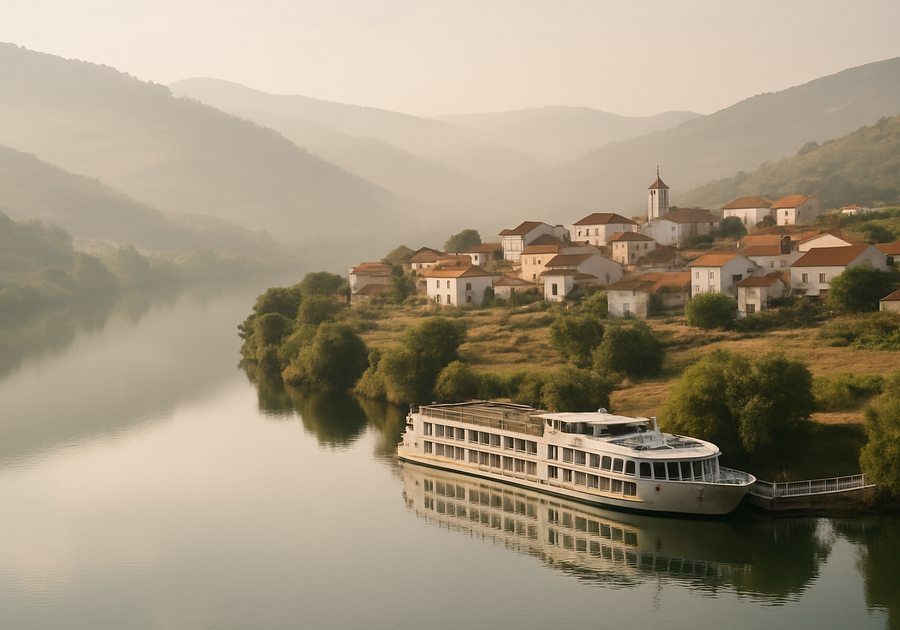
Though the Douro — meaning, literally, "river of gold" — rises in the hills of Spain's Soria province, it's cruised almost entirely within Portugal, where it cuts through the country's oldest wine region. From Porto on the Atlantic coast, ships travel upstream through a series of dams and locks built in the 20th century to tame a river once too wild and shallow to navigate, climbing into a landscape of terraced vineyards that has produced port wine since Roman times.
Douro cruises are shorter and more intimate than their counterparts on the Rhine or Danube — typically a week or less, aboard smaller ships suited to the river's narrow, winding gorge — and built almost entirely around wine: quinta visits, port-house tastings in Porto, and villages where vineyards are stacked in terraces up hillsides too steep for much else. It's a good match for travelers who want the ease of a river cruise without the scale of Europe's bigger rivers, and who'd rather spend an afternoon in a wine cellar than a museum.
Ports of Call
Porto, Portugal
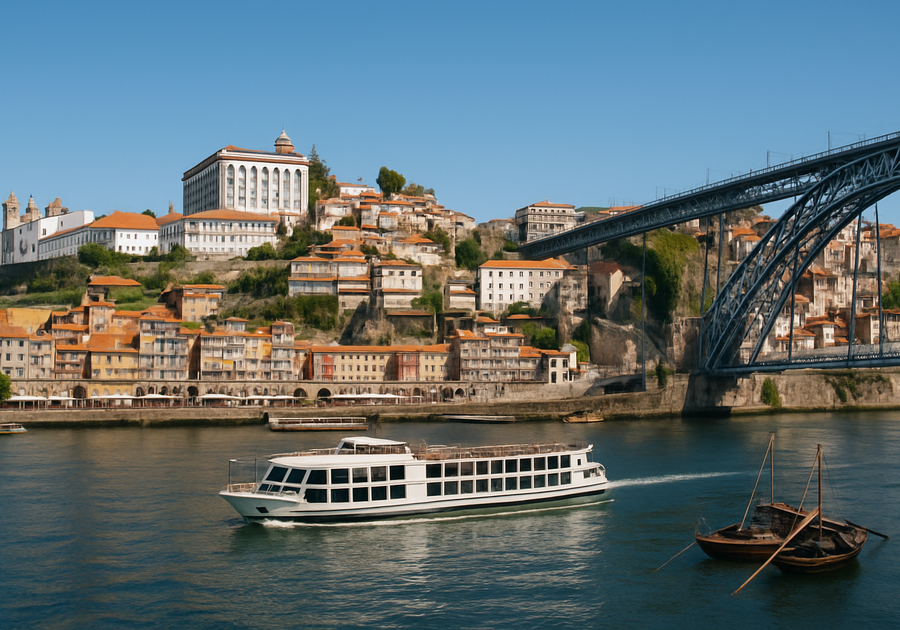
Portugal's second-largest city, Porto is at the heart of the wine trade that bears its name. A lovely city, it blankets the hillsides above the Douro and is linked to Vila Nova de Gaia by a number of bridges across the river. On the Vila Nova side are found the great port houses; it is here, within easy reach of the old town, that the river ships dock. Porto is a UNESCO World Heritage site, largely due to its medieval district, the Ribiera. In the Ribiera, you will find a maze of alleys, a stunning cathedral, and the old fisherman's quarter, all cheek-by-jowl. Don't miss the massive, double-decked railway bridge that spans the river, the Ponte Dom Luis I and for views worth the work, climb the 225 steps of the Torre dos Clerigos, an 18th century granite tower that is the tallest in Portugal and an icon of Porto. And of course, visiting the port lodges that make the city of Porto a household name is a given! Tours and tastings are widely available at the larger producers.
Peso da Regua, Portugal
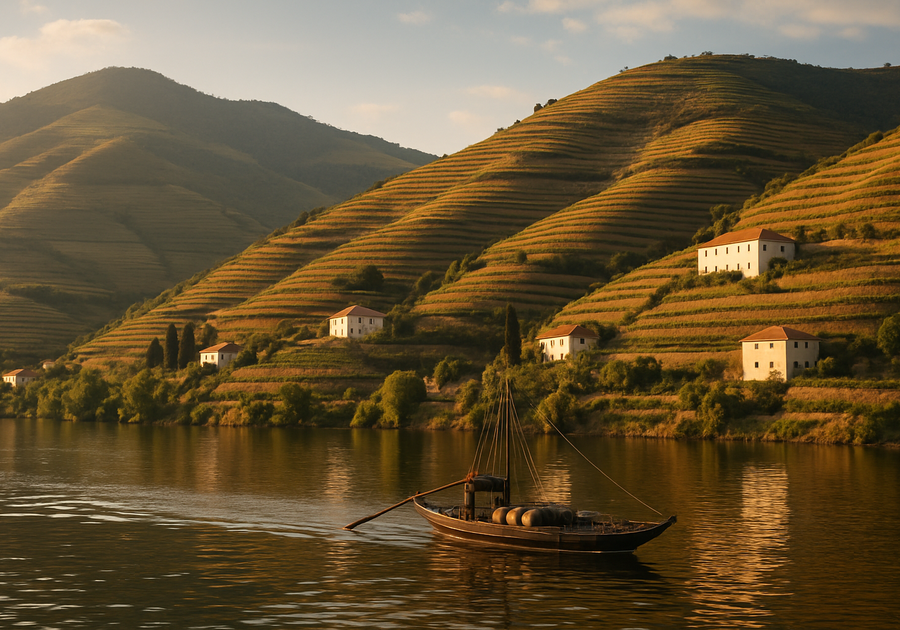
On the way to this starting point of the port region proper, you will pass through beautiful wooded valleys, almond orchards, and quaint villages. Your cruise may make an overnight stop at Bitetos, for an excursion to the 11th century Convento de Alpendorada, which hosts medieval-style dinners and wine tastings overlooking the river. In this stretch of the Douro, you will pass through the Carrapetelo Lock before arriving in Peso da Regua, where the landscape shifts to steep hills covered with vineyards, each of which sports giant lettering indicating its grower. It is here where the historic rabelo boats that you may have seen in Porto used to begin the then-dangerous journey down the Douro, carrying barrels of port to Vila Nova de Gaia. Peso da Regua is also a departure point for motorcoach tours to Vila Real.
Vila Real, Portugal
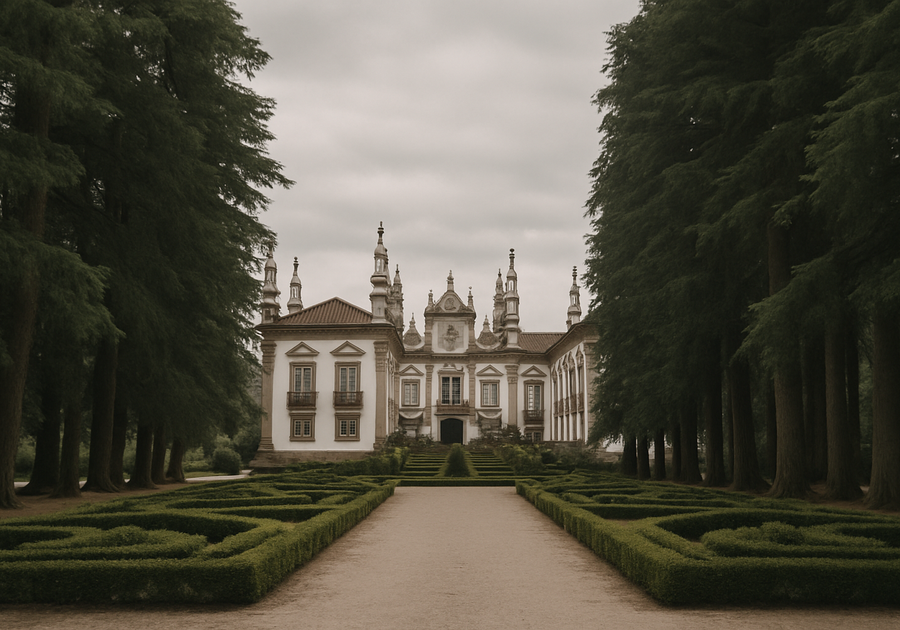
The draw here is the beautiful Baroque house of Casa de Mateus, located on the outskirts of this bustling town. Home to the counts of Vila Real, it was also the birthplace of explorer Diego Cao, who discovered the Congo River in Africa. Surrounded by gorgeous formal gardens and a noted allee of cedar trees, the Casa is the destination, not the town.
Pinhao, Portugal
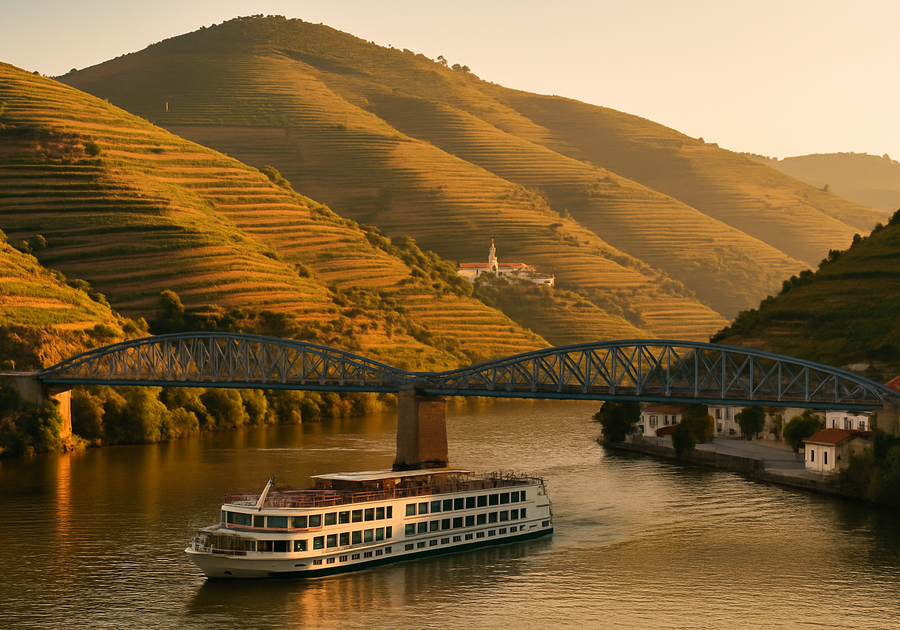
This picturesque small town features a bridge by Gustave Eiffel (yes, that Eiffel!) and is quite near the major port producers' quintas. There are excursions available for visits to the wine estates, where you can learn about all the elements of production or simply enjoy the lovely surroundings. Be sure to see the colorful murals found on the walls of the train station.
Barca d'Alva, Portugal
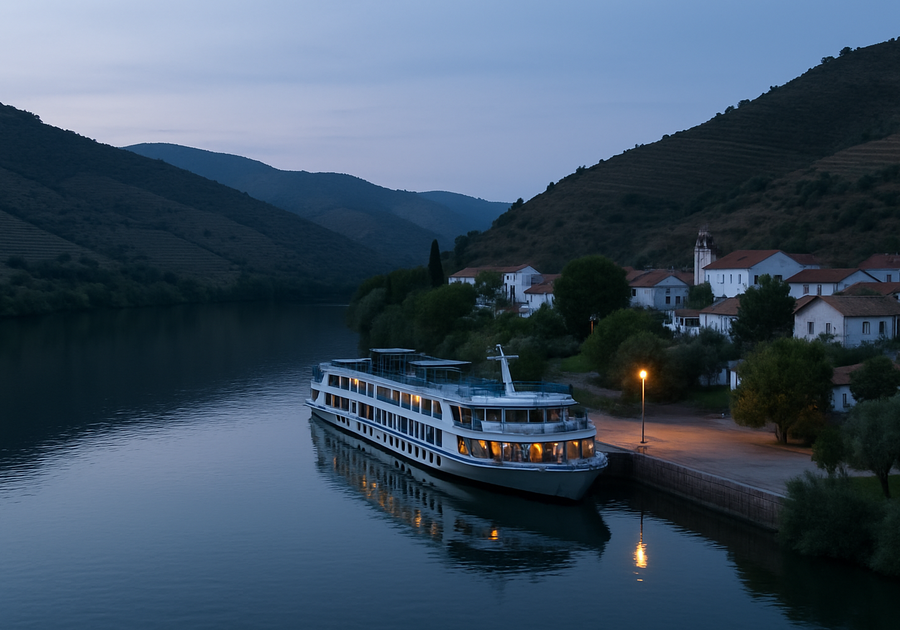
An overnight stop set among olive and almond orchards, this was once the limit of the navigable part of the Douro.
Sao Jao de Pesqueira, Portugal
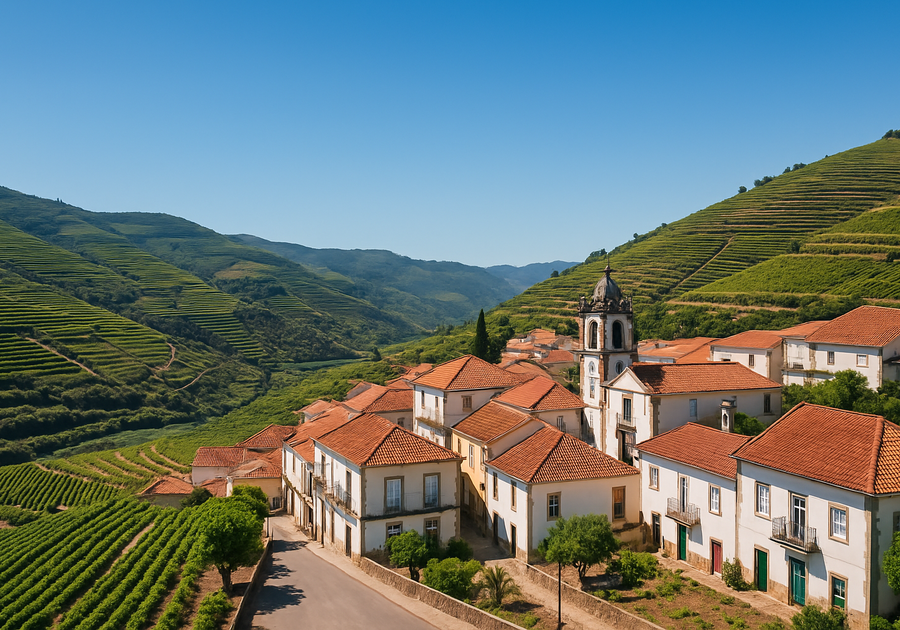
A visit to this wine-growing village is offered as an excursion, usually from Pinhao. Famous for its town hall covered in tile murals of port wine-making scenes, it occupies a plateau overlooking the Douro valley and its vineyards, and is surrounded by wine-producing quintas.
Lamego, Portugal
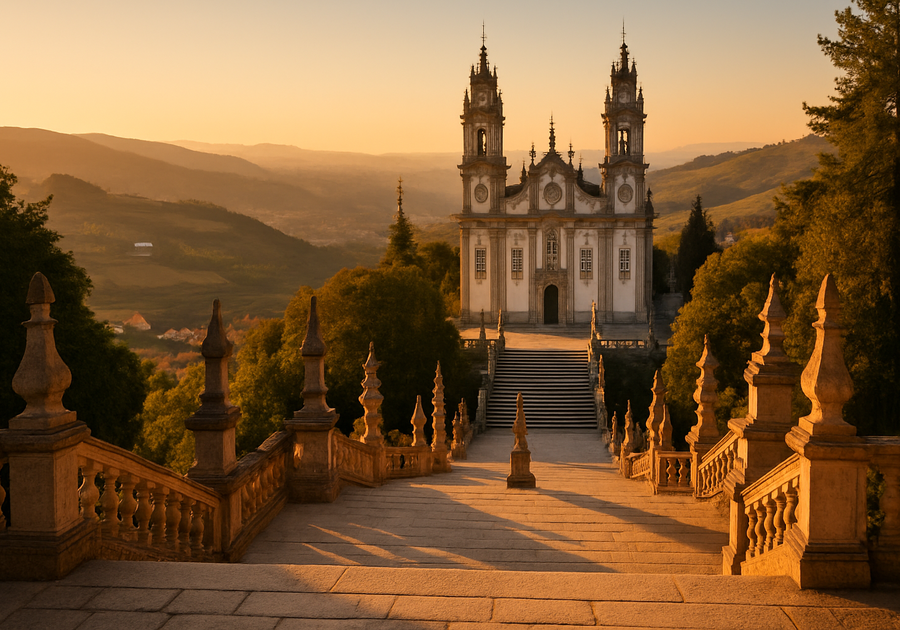
Offered as a half-day tour from Peso da Regua, Lamego is a pilgrimage site, home to the Sanctuary Church of Nossa Senhora dos Remedios. The church is reached via an imposing Baroque-style, 600-step staircase. Though daunting, the trek pays off in the reward of amazing, picture-postcard vistas! The town reflects Moorish influences in its 12th century castle, complete with a vaulted cistern. The Bishop's Palace also houses a very good museum featuring art, jewelry, and decorative household goods.
Vega de Terron, Portugal
At the farthest point on the river (for cruisers) is this town at the Spanish border. It is the jumping-off point for visiting Salamanca, which has been a university town since the 13th century. Not to be missed there are the Plaza Mayor, a beautiful square, and the twin cathedrals, the 16th century Gothic Catedral Nueva and the 12th century Romanesque Catedral Vieja, with its silver Byzantine dome.